
Farm Products
- home //
- Farm Products
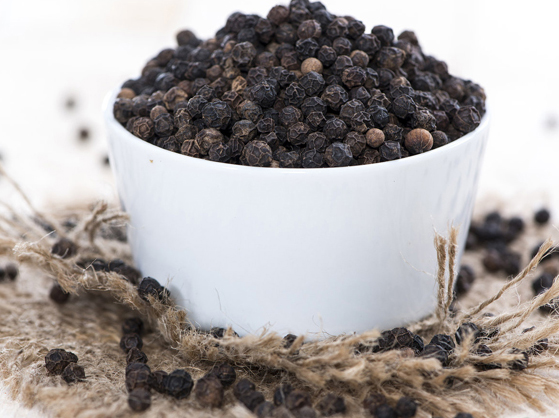
Black Pepper
Black pepper is one of the most widely used spices in the world. In the United States alone, black pepper stands side-by-side with salt on most dinner tables. While it is one of the few spices nearly everyone uses with at least some regularity, most of us don't stop to consider how this popular spice came to be passed around our tables today. This particular spice has been one of the most widely traded in the world, dating all the way back to ancient times. It was once reserved for the wealthy, commanding rich prices in terms of its value on the world trade market.
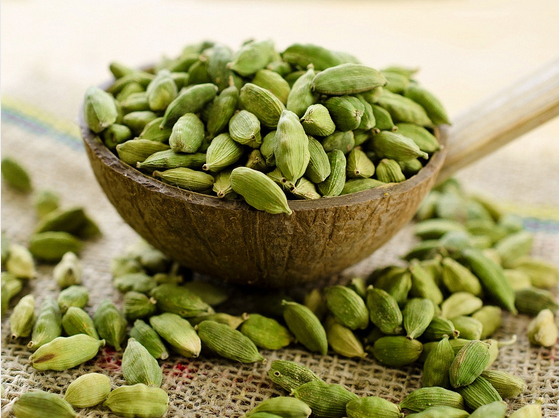
Cardamom
Cardamom has a strong, unique taste, with an intensely aromatic, resinous fragrance. Black cardamom has a distinctly more smoky, though not bitter, aroma, with a coolness some consider similar to mint. Green cardamom is one of the most expensive spices by weight but little is needed to impart flavour. It is best stored in the pod, as exposed or ground seeds quickly lose their flavour. Grinding the pods and seeds together lowers both the quality and the price. For recipes requiring whole cardamom pods, a generally accepted equivalent is 10 pods equals 1 1/2 teaspoons of ground cardamom.
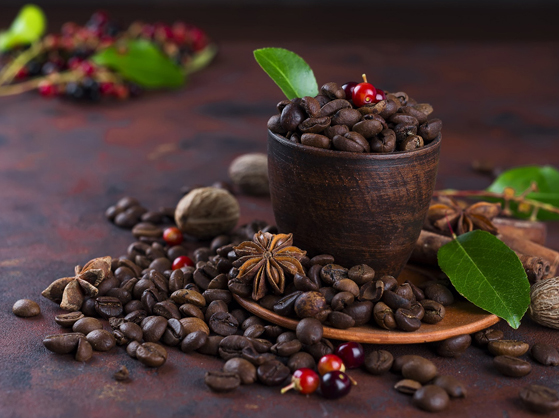
Coffee
When people think of coffee, they usually think of its ability to provide an energy boost. However, according to some research, it can also offer some other important health benefits, such as a lower risk of liver cancer, type 2 diabetes, and heart failure. Worldwide, experts estimate that people consume around 2.25 billion cups of coffee per day. Researchers have looked at the benefits of drinking coffee for conditions such as diabetes, cardiovascular disease, inflammatory bowel disease, and liver disease. There is evidence to support some, but not all, of these claims. Coffee contains a number of useful nutrients, including riboflavin (vitamin B-2), niacin (vitamin B-3), magnesium, potassium, and various phenolic compounds, or antioxidants.
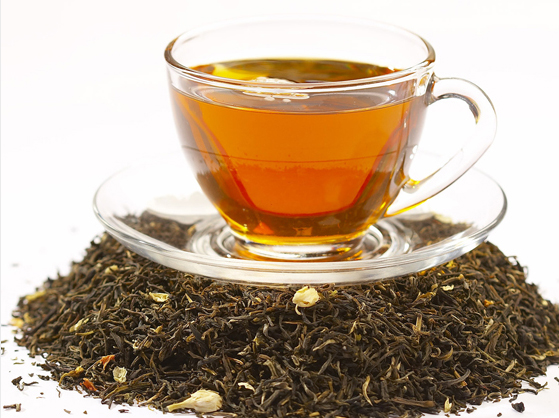
Tea
Tea is the second most consumed drink in the world, surpassed only by water. An often-surprising fact to tea novices is that all teas (Black, Green, Oolong, White, and Pu'erh) come from the same plant. The scientific name of this versatile plant is Camellia sinensis (it's actually related to the lovely camellia flowers seen in botanical gardens and landscapes). Camellia sinensis is a sub-tropical, evergreen plant native to Asia but is now grown around the world. The tea plant grows best in loose, deep soil, at high altitudes, and in sub-tropical climates. So, in short, "tea" is anything derived from the Camellia sinensis plant. Anything else, while sometimes called "tea", is more accurately referred to as an herbal tea or tisane. Tisanes include chamomile, rooibos and fruit teas. We'll learn about those in a minute.
Contact us
Email: nsoulspices@gmail.com
Phone: +91 8310581796
Whatsapp: +91 8310581796

Copyright © Nsoul 2019.All right reserved.